Service Designing Architecture

What can the long-established profession of Architecture learn from Service Design, a design discipline that emerged in the early 90’s? As we navigate the future of professions in the context of rapid technological advancement, Laura Weiss discusses the opportunity for architects to draw upon the experience focused lens of Service Design to redefine the process of architectural design for successful outcomes.
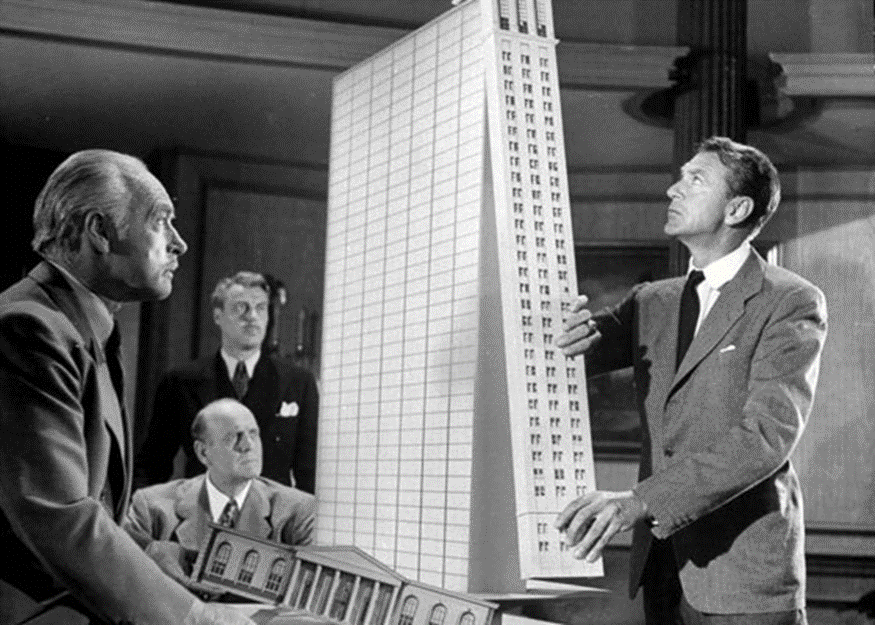
Image: ArchDaily Films & Architecture: “The Fountainhead”

Let’s face it: architects are service providers, not builders. Yet architects and the media almost exclusively focus on the building artifact as the primary source of value delivered, and firm portfolios as the primary differentiator. We rarely acknowledge (and provide minimal education for) the leadership skills required to guide clients and other stakeholders through a whole series of complex and often unfamiliar decision-making activities that affect a successful outcome. The overall experience of engaging with architectural services has evolved very little.

Continue reading
From Relational to Transformational: Achieving ‘value-for-money’ in school design

What do we mean by value? In this guest blog, Gary Adsett shares the “value-thinking” taking place at policy level in the development of independent schools across Queensland, Australia. He discusses how value-for-money is considered to maximise educational outcomes.

Caloundra Christian College. Architect: McLellan Bush.

I lead a Block Grant Authority that provides capital funds to Queensland independent schools to support their construction of new buildings and refurbishment of existing ones. The collective amount of funding distributed is significant, particularly when considered over a 10-year funding horizon. As with any investment, there is a desire to achieve a value-for-money outcome to maximise the return on investment. This funding is considered an investment toward the provision of high-quality student educational outcomes.

Continue reading

Value-sensitive briefing

In this blog, Theo van der Voordt and Per Anker Jensen discuss the idea of ‘value-sensitive’ design and management of the built environment.  They also reflect on different values that are encountered and the challenges to balance different values.

The concept of “value” refers to what is important to people in their lives, ethics, and morality, and to beliefs that steer our behaviour and everyday actions. In addition to universal human values, cultural differences come to the fore as well. For instance, a feminine culture is associated with being more cooperative and caring for the quality of life, whereas a masculine culture is associated with being more competitive and striving for success. Similar differences come to the fore in organisational cultures. In workplace design, a high power distance may result in a higher level of privacy, territoriality, extra square metres, and a luxurious interior design for top managers, as an expression of their status and position in the organisation. Organisations who adopt the concept of Corporate Social Responsibility will likely pay more attention to societal values such as sustainability and incorporate the triple “P” of People, Planet and Profit or Prosperity.

Continue reading