Principles are propositions that serve as foundations for a system of behaviour. In guiding our behaviours, they also guide decision-making around how we structure our environments, whether organisational or spatial. In this guest blog, Steve Baty illustrates the relationship between principles, purpose, and the built environment in the context of university development.
University of Sydney Main Quadrangle, built 1885.
The idea of designing a university campus from scratch is an intriguing one as it affords us with the fairly rare opportunity to ask the questions: What is this university for? Who is it for? and how best to deliver on its purpose?
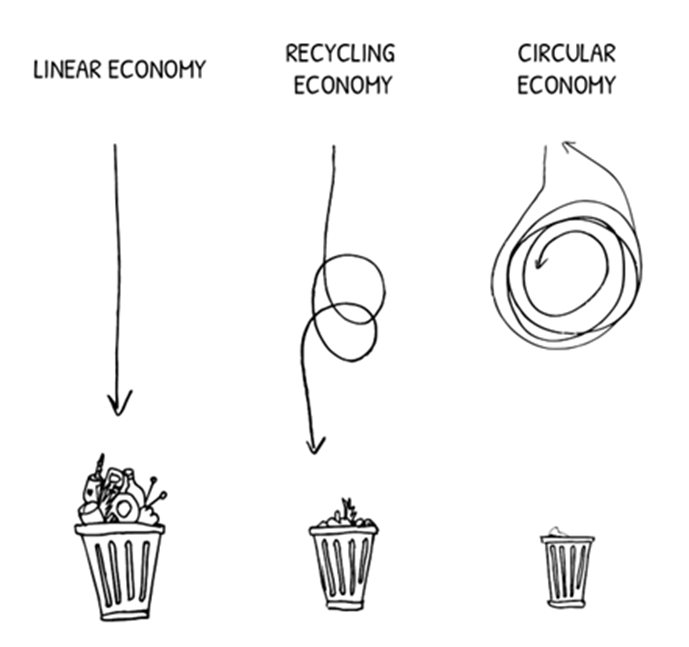
The circular economy provides great opportunity for our planet. It presents the concept that in an industrial age we can use and regenerate natural resources whilst continuing to evolve with the challenges of exponential modernisation and the insatiable desire for growth. As the challenges are enormous and opportunities endless, it’s difficult to know where to start. Clayton Bristow lends some inspiration from Eliel Saarinen looking forwards and backwards from “a chair in a room”.
The circular economy is an economic framework to keep resources in circulation for as long as possible to reduce our impact on the planet. More than recycling, the circular economy is an ecosystem of initiatives that requires structural change to the incumbent linear approach of dig, make, use, dump. A roadmap for value destruction.
Integrative Briefing is a process of change, resulting in physical change, to build more space, and/or behavioural change, to rethink the way we operate and allocate time. Leadership is a critical component in navigating the challenges of organisational change, however what does effective leadership look like? Michael Lewarne discusses the challenges of change leadership, and the types of skillsets and approaches required to successfully leading change.
In today’s fast evolving business landscape, change is not just inevitable, it’s essential for durability, survival and growth. Yet, organisational change remains one of the most challenging aspects of leadership. Whether around adopting new technologies, restructuring teams, or becoming a more adaptable and agile business, change often meets resistance. This tension between the status quo and change results from our innate human tendencies – fear of the unknown, loss of control, and the disruption of comfort zones. Having developed an efficiency in processes, people have a bias or tendency to gravitate towards the familiar.
Addressing complexity requires an integrative approach to design – working across scales, organisational, physical and professional boundaries. To be a boundary spanner requires strong grounding in one discipline, with a skillset and disposition allowing the spanning of others. In effecting systemic change, the boundary spanner is a critical role, however often overlooked amongst more commonly understood traditional professions and roles. In the field of engineering consulting, Rick Hopkins discusses the practice and education of the Design Manager as boundary spanner and argues for the long overdue recognition of this critical technical leadership role.
In January 1998 I arrived in Sydney for what was to be a 3-month stint at Connell Wagner. I stayed 23 years! I started out in structures, moved to telcos, then to the Cross City Tunnel project. Then in 2004, I landed on the Holsworthy Special Forces project as the ‘Design Manager’. I’ve been in that DM space ever since. But what is it?
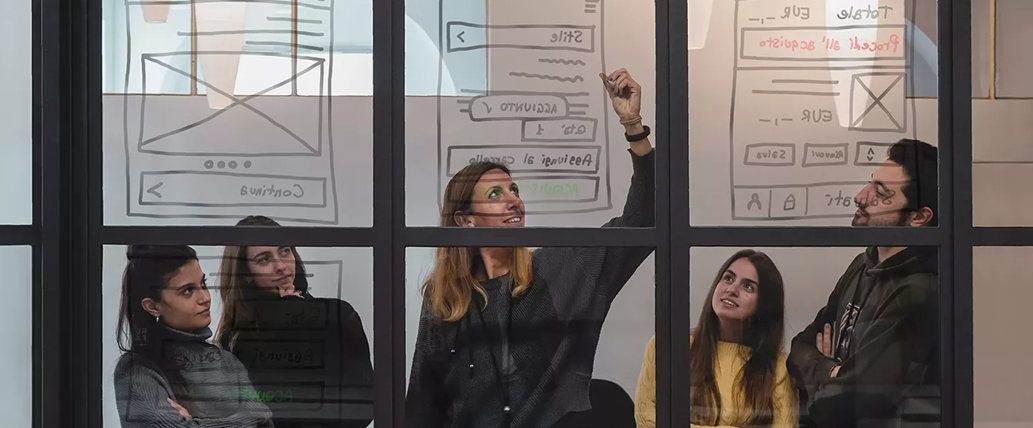
Collaboration is one of those words that we all know is important, but without much understanding or support, how do we know how to do it well? In the classroom, it’s not just about putting students in groups and letting them get on with it – “productive collaboration” requires more intentionality. This also applies to the workplace – how can we support positive collaboration to make teamwork both an effective and enjoyable experience to get the best outcome for all?Fiona Young and Ricky Gagliardi share their insights into collaboration and a tool they have been developing to foster improved teamwork.
In architecture, the Starchitect, or lone genius is a myth. It’s rare for one person to be able to single-handedly deliver a project from start to finish. Architecture is a team game. It requires a range of skillsets to deliver a successful project – from conceptual thinkers to documenters, technical experts, and client engagement specialists. Collaboration is critical.
Australia is experiencing a period of elevated demand for housing, and supply is not keeping up. Population growth, the size of households, and consumer preferences for housing types has all impacted on demand. The shortfall of new market supply adds to the already significant undersupply in the system impacting on affordability. In 2019, The City of Sydney launched a design competition to address these challenges. The intent of the challenge was to think about our existing attitudes and approaches to housing in positive new ways to come up with solutions that are replicable and scalable for use by the broader community. Stephen Varady discusses how this iterative competition process was designed to encourage collaboration amongst competitors to enhance strategic and innovative thinking.
The City of Sydney Alternative Housing Ideas Challenge sought to uncover alternative housing strategies that may not have been previously considered in Australia. It encouraged strategic thinking and looking beyond the physical domain to include finance, zoning, urban land supply, management and ownership.
In the tertiary realm, learning space discourse over the last twenty years has been vexed by the question Do students actually learn better in Collaborative Classrooms compared to traditional classrooms such as lecture theatres and tutorial rooms? With considerable expenditure associated with the design, construction, training, maintenance, and upgrade of technologies within Collaborative Classrooms, universities need to know if the investment is worth it. Jo Dane discusses the RateMyClassroom tool and the value of tools to support space evaluation.
Flipped Classroom, UNSW Business School. Image: Woods Bagot
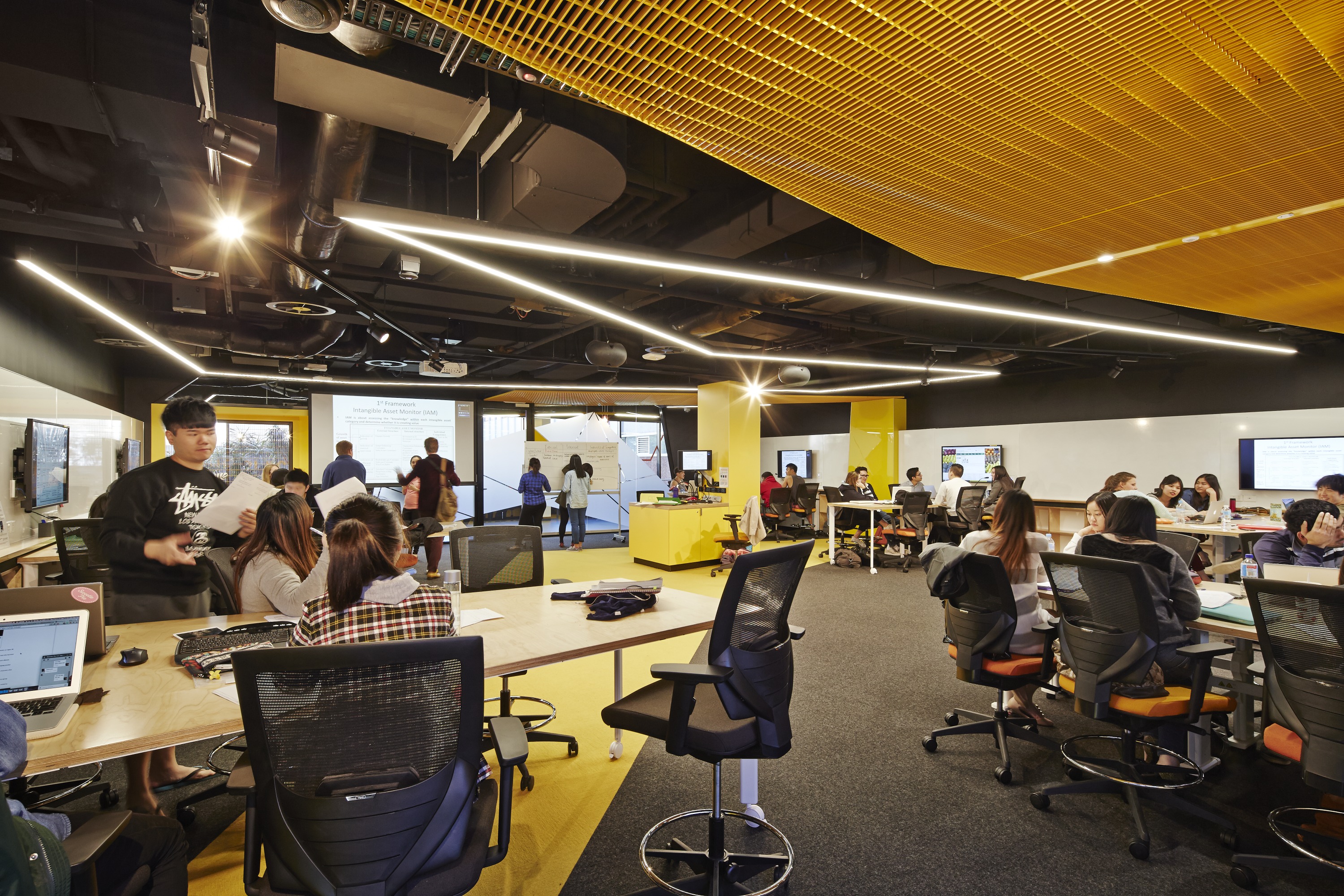
‘Collaborative’ or ‘Active’ Classrooms began appearing on higher education campuses at the turn of the 21st Century to support teachers practicing student-centred learning (for example, collaborative learning, project-based learning, problem-based learning etc). While the terms ‘collaborative’ and ‘active’ classroom are relatively interchangeable, they typically refer to a classroom comprising small group settings where students can work together, access technology (&/or connect their own devices) and in which the teacher is encouraged to move around the room to support student learning. The teacher may provide some instructional learning to the whole class, but then facilitate group work to apply new concepts through a range of student-centred learning activities. This was believed to encourage students to adopt a deep approach to learning.
What is good design? Historically, our perception of design has tended towards tangible outputs such as artefacts, physical systems and buildings. Yet this singular focus on product can lead to unintended consequences detrimental to people and planet. Shifting perspectives to include organisational and process design recognises the broader system in which design takes place, and places value on the intangible, towards longer-term outcomes.Authors of Designing Tomorrow, Martin Tomitsch and Steve Baty discuss how we can harness designer’s skill sets toward more long-term and systemwide perspectives, so rather than solely focusing on physical outcomes that can contribute to planetary problems, designers can be part of the solution in the improvement of livelihoods and a safer planet.
As the famous Eames quote goes, “The details are not details, they make the product”. This observation equally applies to designing physical structures, built environments, digital interactions, and services. It’s the details that make or break the experience.
But while focusing on the details, it is important to also keep the bigger picture in mind. When it comes to better briefing for design, the details make the outputs; the outcomes are shaped by the big-picture considerations. An output might take the form of a building or a website. The outcome is the impact that emerges from putting the building or website into the world.
As we shift from a focus on delivering outputs (buildings and artefacts) towards achieving meaningful change and long-term sustainable outcomes, we’re curious about the new business models that will emerge in practice. In developing the Integrative Briefing for Better Design book, we’ve found it useful to reflect back to look forward and share Evelyn Lee‘s reflections from The Practice Innovation Lab, an American Institute of Architects 2017 forum which explored new business models.
In the fall of 2017, 60 individuals from the design and architecture professions came together with the intent to identify ways to innovate the dated business models on which most design practices are founded. Hosted by the Young Architects Forum of the American Institute of Architects (AIA), the Practice Innovation Lab was a series of discussions focused on enhancing both the value of our services and the sustainability of the design profession over the long term.
How do we design for innovative outcomes? Is it enough to bring multiple voices to the table to determine future needs? Whilst understanding context and what inhabitants need is essential, David Jakes discusses a missing part of the design process – the need to evolve the status quo by expanding the capability of individuals and organizations to think divergently, and by doing so, shift mindsets about the future.
I’ve become convinced that the design process generally fails to achieve as much as possible when applied to educational initiatives. The reason? A missing and critical component.







 Integrative Briefing for Better Design