Disrupting Practice: Findings from the Practice Innovation Lab

As we shift from a focus on delivering outputs (buildings and artefacts) towards achieving meaningful change and long-term sustainable outcomes, we’re curious about the new business models that will emerge in practice. In developing the Integrative Briefing for Better Design book, we’ve found it useful to reflect back to look forward and share Evelyn Lee‘s reflections from The Practice Innovation Lab, an American Institute of Architects 2017 forum which explored new business models.

In the fall of 2017, 60 individuals from the design and architecture professions came together with the intent to identify ways to innovate the dated business models on which most design practices are founded. Hosted by the Young Architects Forum of the American Institute of Architects (AIA), the Practice Innovation Lab was a series of discussions focused on enhancing both the value of our services and the sustainability of the design profession over the long term.

Continue reading
Building Tomorrow – Lessons from the Intersection of Architecture and Technology

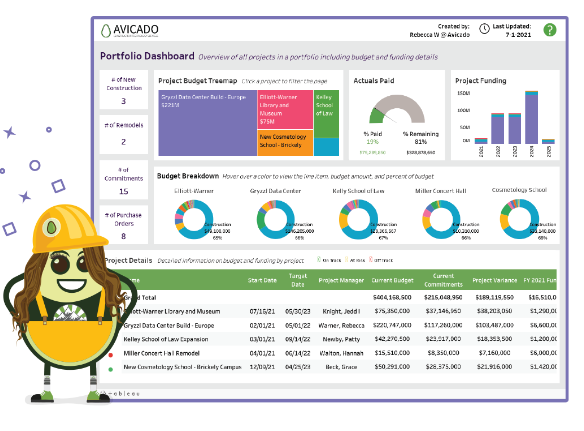
Integrative briefing blurs boundaries within and across domains, whether spatial, organisational, or professional. This requires new ways of working, and processes and tools for communication and collaboration toward a common language. Coming from a background of traditional architectural practice and now working in the technology sector, Nick Caravella reflects on what he’s learnt in his quest for interoperability to bridge and improve the process of design and construction.

Image source: Avicado

There’s an inherent charm to the arrival of a New Year—a time for reflection as one year concludes and another unfolds, offering an opportunity to trace one’s path. Four years ago (2020), I found myself contributing to the Practice of Architecture. Freshly pivoted from traditional practice into the technology sector, I was eager to share the insights gained from this shift. Two articles, Why Tech Stole ‘Architect and An Architect’s Guide to Anything but Architecture chronicled my journey from traditional practice to the construction technology sector.

Continue reading

Curtains

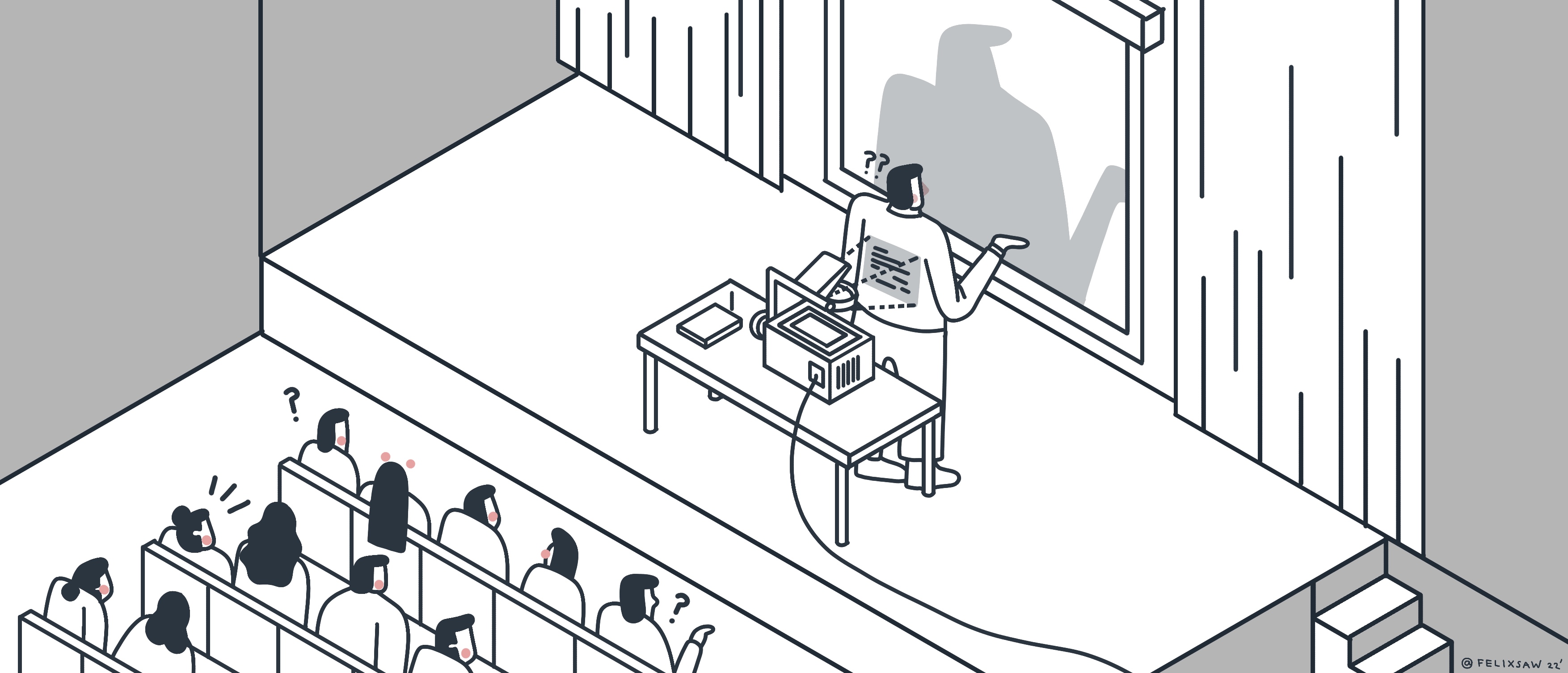
Stories of struggles to make technology work are unending.  As long as there are technological developments, whether a book, an overhead projector, video conferencing or buildings equipped with complex automated systems which call for re-humanizing architecture, such stories will continue while the actor playing the role of the technology changes. Picking up on Adrian Leaman‘s earlier blog on the five most important things to think about in architectural briefing, Sam Cassels illustrates the plight of the nervous presenter confronted with an overhead projector.

Illustration by Felix Saw

Eventually, from behind the rustling stage curtains a bewildered head appeared at floor level.  Like a convict emerging from the wrong tunnel.  The small figure extracted himself on all fours from the clutches of the heavy drapes and then quickly leapt to his feet, and smiled at the invited audience as if he had just sauntered on after the now distant introduction.

Continue reading

Cosmic circularity in the world of briefing (Part 1)

Just before joining our last Sounding Panel session on design for human experience, Anna Maskiell from Public Realm Lab took a moment to reflect on the past.

Information Technology department, Thycon Industries, Coburg (Wolfgang Sievers, 1984)

1983 was a pretty big year as far as I’m concerned. I was born (always useful!), Fraggle Rock debuted and the Thriller video was released (still influential in the schoolyard 9 or 10 years later). Wolfgang Sievers continued to document the landscape of work in Melbourne, but the heroic images of Australian manufacturing were starting to give way to images of knowledge workers, in their salmon cubicles under a relentless march of ceiling tiles.

Continue reading