What is good design? Historically, our perception of design has tended towards tangible outputs such as artefacts, physical systems and buildings. Yet this singular focus on product can lead to unintended consequences detrimental to people and planet. Shifting perspectives to include organisational and process design recognises the broader system in which design takes place, and places value on the intangible, towards longer-term outcomes. Authors of Designing Tomorrow, Martin Tomitsch and Steve Baty discuss how we can harness designer’s skill sets toward more long-term and systemwide perspectives, so rather than solely focusing on physical outcomes that can contribute to planetary problems, designers can be part of the solution in the improvement of livelihoods and a safer planet.

As the famous Eames quote goes, “The details are not details, they make the product”. This observation equally applies to designing physical structures, built environments, digital interactions, and services. It’s the details that make or break the experience.
But while focusing on the details, it is important to also keep the bigger picture in mind. When it comes to better briefing for design, the details make the outputs; the outcomes are shaped by the big-picture considerations. An output might take the form of a building or a website. The outcome is the impact that emerges from putting the building or website into the world.
Continue reading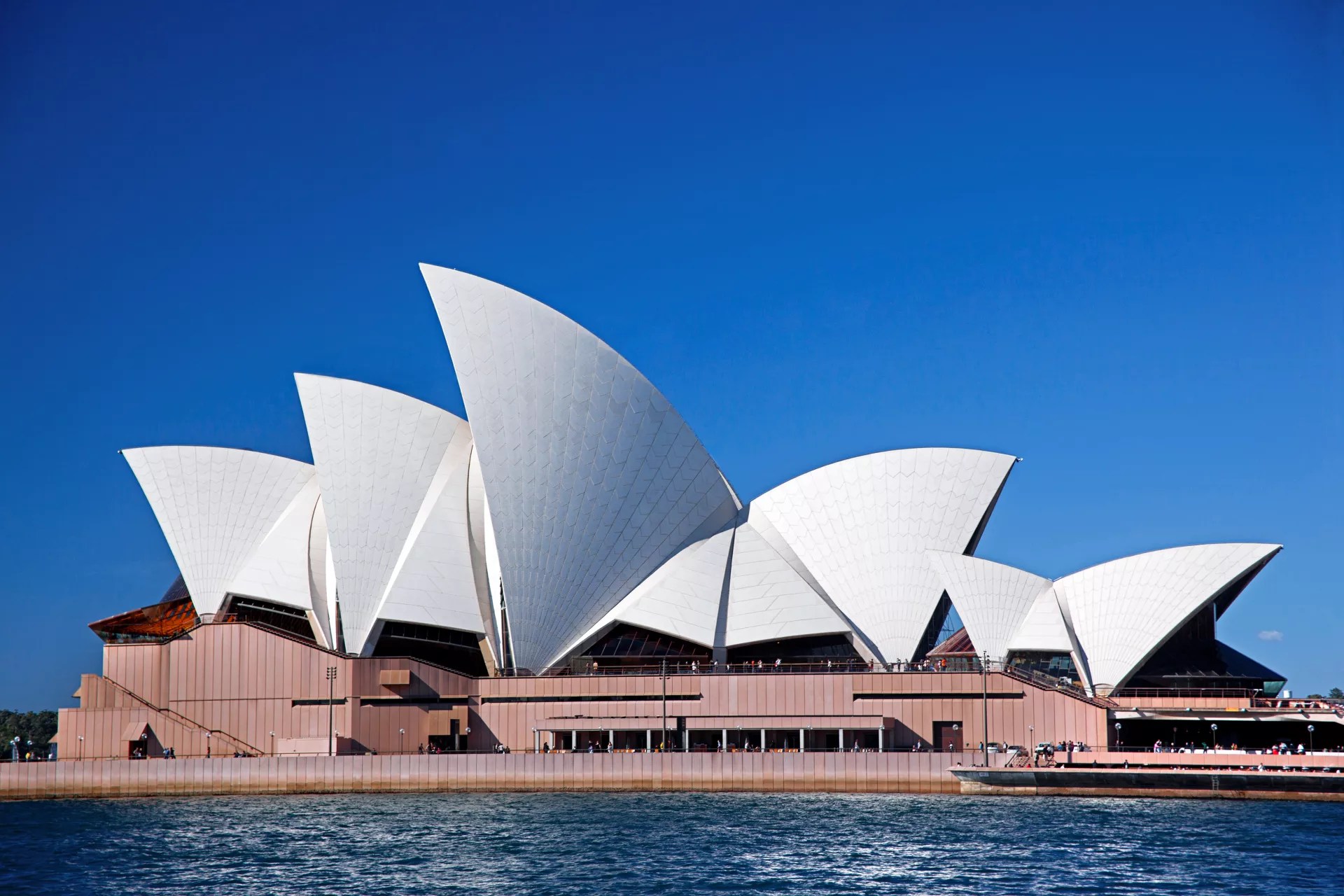
 Integrative Briefing for Better Design