The Key to Client Education

A Google search on the term ‘architect’ predominantly brings up images of a lone practitioner working over a set of building plans or an architectural model. This stereotyped view of architectural practice can mask the value which designers may bring to the design process toward optimising ‘outcomes’. Laura Weiss discusses the opportunity for greater consideration and transparency of the ‘client journey’, and the value that designers can bring as advocates, or trusted advisors.

Image: IDEO Reimaging the shopping cart

By the time we’re adults it’s likely that many of us have interacted with a doctor, maybe an accountant, perhaps a lawyer, or at least we know someone who has. It’s equally unlikely that the general population has purchased or been involved with the services of a professional designer of any kind.  As a society we unfortunately have a limited frame of reference for how design happens or why it’s valuable.

Continue reading
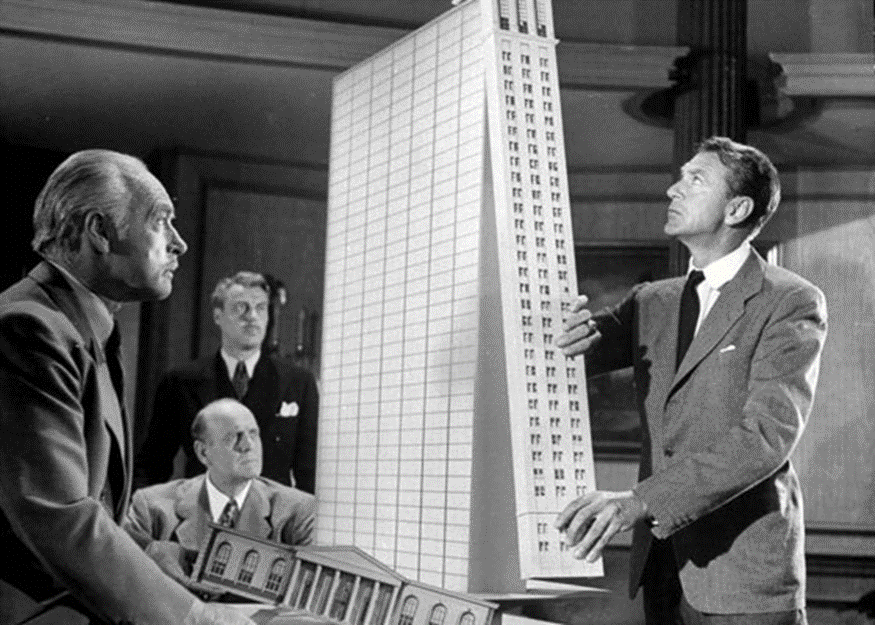
Service Designing Architecture

What can the long-established profession of Architecture learn from Service Design, a design discipline that emerged in the early 90’s? As we navigate the future of professions in the context of rapid technological advancement, Laura Weiss discusses the opportunity for architects to draw upon the experience focused lens of Service Design to redefine the process of architectural design for successful outcomes.

Image: ArchDaily Films & Architecture: “The Fountainhead”

Let’s face it: architects are service providers, not builders. Yet architects and the media almost exclusively focus on the building artifact as the primary source of value delivered, and firm portfolios as the primary differentiator. We rarely acknowledge (and provide minimal education for) the leadership skills required to guide clients and other stakeholders through a whole series of complex and often unfamiliar decision-making activities that affect a successful outcome. The overall experience of engaging with architectural services has evolved very little.

Continue reading