Leadership for change

Integrative Briefing is a process of change, resulting in physical change, to build more space, and/or behavioural change, to rethink the way we operate and allocate time. Leadership is a critical component in navigating the challenges of organisational change, however what does effective leadership look like? Michael Lewarne discusses the challenges of change leadership, and the types of skillsets and approaches required to successfully leading change.

Image: Benjamin Suter

In today’s fast evolving business landscape, change is not just inevitable, it’s essential for durability, survival and growth. Yet, organisational change remains one of the most challenging aspects of leadership. Whether around adopting new technologies, restructuring teams, or becoming a more adaptable and agile business, change often meets resistance. This tension between the status quo and change results from our innate human tendencies – fear of the unknown, loss of control, and the disruption of comfort zones. Having developed an efficiency in processes, people have a bias or tendency to gravitate towards the familiar.

Continue reading

The Social Contract: Tools for enhancing collaboration

Collaboration is one of those words that we all know is important, but without much understanding or support, how do we know how to do it well? In the classroom, it’s not just about putting students in groups and letting them get on with it – “productive collaboration” requires more intentionality. This also applies to the workplace – how can we support positive collaboration to make teamwork both an effective and enjoyable experience to get the best outcome for all? Fiona Young and Ricky Gagliardi share their insights into collaboration and a tool they have been developing to foster improved teamwork.

In architecture, the Starchitect, or lone genius is a myth. It’s rare for one person to be able to single-handedly deliver a project from start to finish. Architecture is a team game. It requires a range of skillsets to deliver a successful project – from conceptual thinkers to documenters, technical experts, and client engagement specialists. Collaboration is critical.

Continue reading

Integrative briefing for design competitions: The City of Sydney Alternative Housing Ideas Challenge

Australia is experiencing a period of elevated demand for housing, and supply is not keeping up. Population growth, the size of households, and consumer preferences for housing types has all impacted on demand. The shortfall of new market supply adds to the already significant undersupply in the system impacting on affordability. In 2019, The City of Sydney launched a design competition to address these challenges. The intent of the challenge was to think about our existing attitudes and approaches to housing in positive new ways to come up with solutions that are replicable and scalable for use by the broader community. Stephen Varady discusses how this iterative competition process was designed to encourage collaboration amongst competitors to enhance strategic and innovative thinking.

Image from interview with Stephen Varady, City of Sydney website.

The City of Sydney Alternative Housing Ideas Challenge sought to uncover alternative housing strategies that may not have been previously considered in Australia. It encouraged strategic thinking and looking beyond the physical domain to include finance, zoning, urban land supply, management and ownership.

Continue reading

Disrupting Practice: Findings from the Practice Innovation Lab

As we shift from a focus on delivering outputs (buildings and artefacts) towards achieving meaningful change and long-term sustainable outcomes, we’re curious about the new business models that will emerge in practice. In developing the Integrative Briefing for Better Design book, we’ve found it useful to reflect back to look forward and share Evelyn Lee‘s reflections from The Practice Innovation Lab, an American Institute of Architects 2017 forum which explored new business models.

In the fall of 2017, 60 individuals from the design and architecture professions came together with the intent to identify ways to innovate the dated business models on which most design practices are founded. Hosted by the Young Architects Forum of the American Institute of Architects (AIA), the Practice Innovation Lab was a series of discussions focused on enhancing both the value of our services and the sustainability of the design profession over the long term.

Continue reading

What’s the problem? Getting to the heart of the issue through strategic design

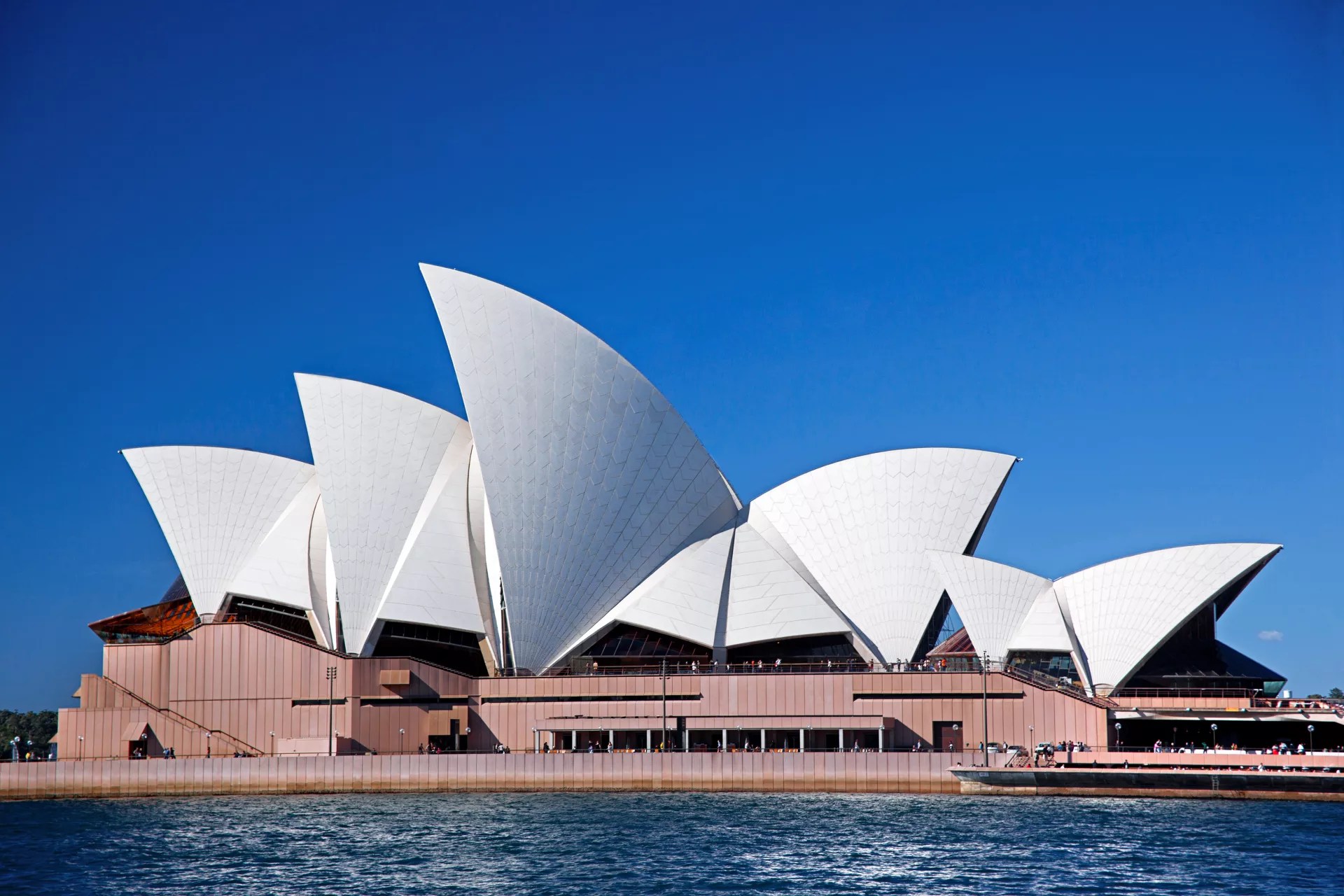
MADE by the Opera House, also known as the Multidisciplinary Australian Danish Exchange, is an Australian-Danish exchange program that is offered to Australian and Danish students of architecture, engineering and design (in the built environment). Between 2014-2023, each year five students from a NSW university and five students from a Danish tertiary institution participated in the program in Denmark and Australia respectively. This year, for the first time, a student from the field of Strategic Design was part of the program. Isac Lindberg reflects on the MADE experience as a collaboration across disciplines and on the role of strategic thinking to get to the heart of the problem to be solved.

In late August, I found myself presenting in the Utzon Room at the Sydney Opera House. As part of the Sydney Opera House MADE program, I had just completed a six-week interdisciplinary exchange where I collaborated with four other students from different Danish universities who specialised in architecture, engineering, and design. Despite the obstacles of working as a group of initially, complete strangers, this experience highlighted the significance of interdisciplinary collaboration and how our diverse skills and ideas played a vital role in shaping our proposal for the Opera House’s Central Passage.

Continue reading

LLV Life (Part 2): Enabling a bold idea for education

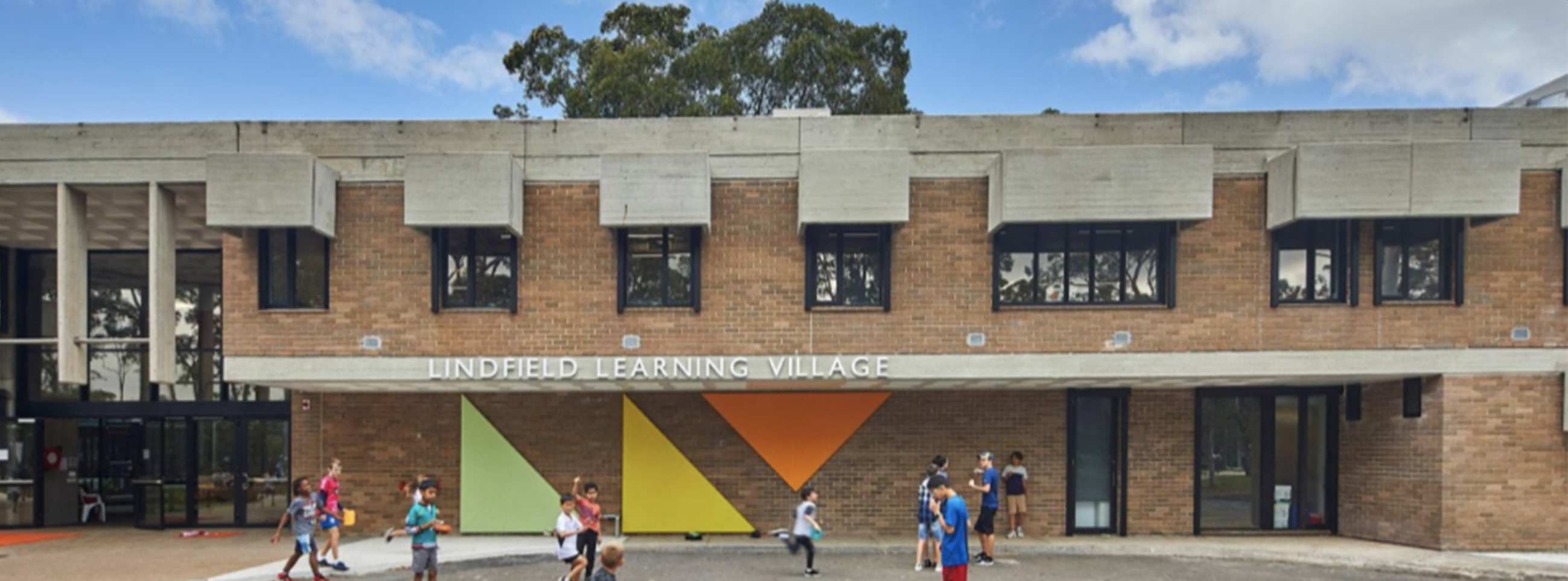
Traditional schooling models, characterised by cellular classrooms and ‘chalk and talk’, have been prominent since the Industrial era. There’s been much discussion around the need to evolve this model to one which is more engaging and relevant for today’s students, yet, from the limited number of schools that have successfully shifted from conventional structures, it’s evident how difficult this is to do. Fiona Young and Meredith Ash share the unique story of the Lindfield Learning Village.

Image courtesy of Lindfield Learning Village.

Lindfield Learning Village (LLV) in Sydney, Australia, is an innovative  K-12 public school which challenges traditional educational approaches whilst demonstrating excellence in practice and outcomes. Located 20 minutes from the CBD, in an iconic neo brutalist building fringed by the Ku-ring-gai national park , the school opened in 2019. Its unique educational model, based on stage-not-age, student-centred and real world interdisciplinary learning, has attracted widespread interest with wait-lists of up to 2500 students.

Continue reading

To Share or Not to Share

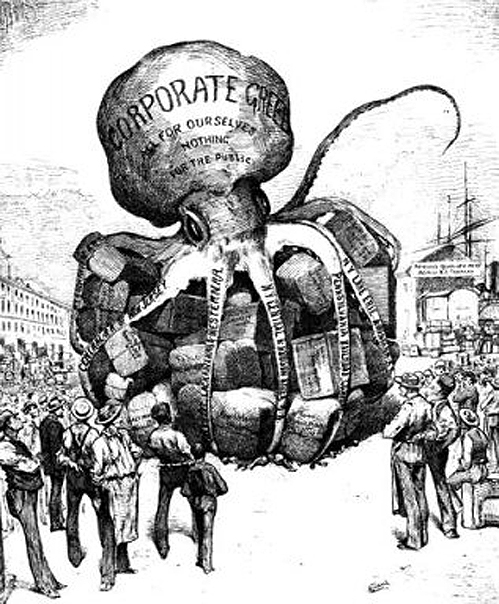
Jacques Chevrant reflects on the need for the Architecture, Environment & Construction Industry to look outwards and learn from other industries to better engage with innovation and knowledge sharing to ensure long-term sustainability.

Image Source: https://upload.wikimedia.org/wikipedia/commons/7/78/Corporate_greed_octopus.jpg

Reflecting upon the competitive nature of the Architecture, Environment & Construction Industry (AEC), the for-profit organisation residing within has increasingly behaved like a silo. Intellectual property amidst innovation is closely guarded, used as a tool for maximising competitive advantage.

Continue reading